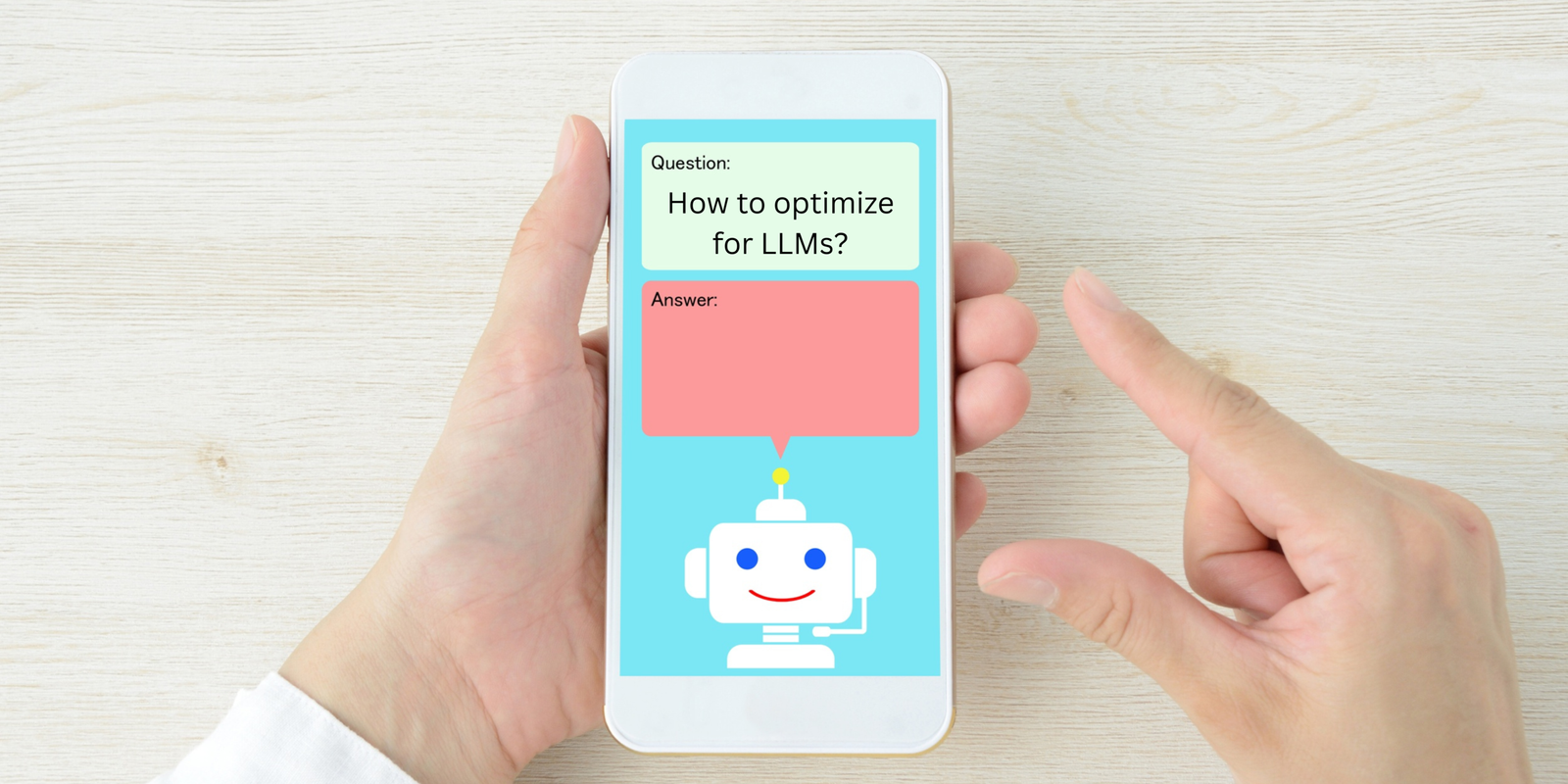
If your Sitecore website ranks well on Google but still fails to appear in AI-generated answers from tools like ChatGPT, Google AI Overviews, or Perplexity, you’re not alone. Many enterprise teams are discovering an uncomfortable truth: traditional SEO success no longer guarantees visibility in an AI-driven discovery world.
This isn’t because Sitecore is “bad for AI.” It’s because most Sitecore implementations were designed for a search era that no longer exists.
AI answer engines don’t browse your site the way humans or classic crawlers do. They don’t care about pageviews, navigation depth, or even rankings in the conventional sense. They care about clarity, structure, and confidence. They ask one question silently: Can I safely extract a clear, authoritative answer from this content?
Most Sitecore sites unintentionally fail that test.
The Real Reason Your Sitecore Content Is Invisible to AI
AI systems don’t “index pages.” They extract meaning.
When an LLM evaluates your content, it looks for explicit signals that help it understand:
- what the page is about
- what question it answers
- why it should trust this source over others
Most Sitecore sites were built to support brand storytelling, campaign flexibility, and component reuse. Over time, this creates pages that look great to humans but read like fragmented puzzles to machines.
Content is often split across multiple components with no dominant narrative. Headings are chosen for visual hierarchy rather than semantic clarity. Key definitions are implied, not stated. Context is spread across accordions, tabs, or personalization rules that AI may never see.
From an LLM’s perspective, the page feels hesitant and indirect. And AI avoids hesitation.
Why Ranking #1 on Google Is No Longer Enough
Search engines and answer engines optimize for different outcomes.
Google Search traditionally rewards relevance across many signals: backlinks, freshness, UX, engagement. AI answer engines optimize for answerability. They prefer content that can be confidently summarized in a paragraph or two without distortion.
If your Sitecore page requires interpretation, cross-scrolling, or brand knowledge to understand, AI will skip it—even if it ranks well.
This is why you’ll often see AI answers pulled from:
- well-structured blogs
- documentation-style pages
- “boring” but explicit explainers
Not glossy enterprise pages.
The Good News: This Is Fixable Without Replatforming
You don’t need to rebuild your Sitecore instance or launch a massive SEO overhaul. In most cases, a few deliberate changes dramatically improve AI visibility.
The key is shifting from marketing-first composition to answer-first composition.
Simple Fix #1: Make One Page = One Clear Question
Most Sitecore pages try to do too much.
AI prefers pages that answer a single, well-defined question. Not five. Not a theme. A question.
Instead of a page that vaguely discusses “Digital Experience Transformation,” structure it so the intent is unmistakable:
- What problem is being answered?
- Who is it for?
- What is the direct explanation?
This doesn’t mean dumbing content down. It means making the core answer explicit early, then expanding with nuance.
A simple test: if someone asked ChatGPT a question and your page were the only source, would the answer be clear and complete?
If not, AI won’t use it.
Simple Fix #2: Reclaim Semantic Structure Inside Components
Sitecore’s component-based flexibility is powerful—but dangerous for AI if misused.
AI relies heavily on semantic signals like headings and paragraph flow. When headings are chosen for visual size rather than meaning, or when key sections are buried inside generic components, the narrative collapses.
You don’t need fewer components. You need clearer roles for them.
Ensure that:
- there is a single, descriptive H1 that states the page’s purpose
- H2s represent logical sub-answers, not design sections
- critical definitions appear in plain text, not images or expandable UI elements
This is less about SEO rules and more about helping AI follow the argument from start to finish.
Simple Fix #3: State the Obvious (AI Doesn’t Infer Like Humans)
Enterprise content often assumes too much shared context.
Phrases like “as part of our platform,” “this solution enables,” or “leading capabilities include” sound fine to humans. To AI, they’re vague.
LLMs reward content that says things plainly:
- what the thing is
- how it works
- when it applies
- when it does not
If a definition lives only in a PDF, a product page carousel, or a marketing slogan, it effectively doesn’t exist to AI.
The irony is that the more “sophisticated” the language, the less likely AI is to reuse it.
Clarity beats cleverness every time.
Simple Fix #4: Reduce Fragmentation Across Pages
Sitecore teams often split closely related ideas across multiple pages for navigation or ownership reasons.
AI doesn’t navigate your site like a user. It evaluates pages in isolation.
If the definition lives on one page, the explanation on another, and the example somewhere else, AI may discard all three.
This doesn’t mean consolidating everything. It means ensuring each page is independently complete enough to stand as a credible answer source.
Think in terms of self-sufficient knowledge units, not campaign assets.
Simple Fix #5: Stop Hiding Meaning Behind Personalization
Personalization is one of Sitecore’s strengths—but it can unintentionally block AI visibility.
If key explanatory content only appears for certain users, geographies, or conditions, AI may never see it. LLMs typically ingest the default, unpersonalized experience.
Critical context should always be available in the base experience. Personalization should enhance, not replace, the core explanation.
If AI can’t see it consistently, it won’t trust it.
What Changes When You Get This Right
When your Sitecore content becomes AI-readable, several things happen quietly—but powerfully.
Your pages start appearing as cited sources in AI answers. Brand mentions increase without direct clicks. Content gets reused in summaries, comparisons, and recommendations you never explicitly optimized for.
This is not traditional traffic growth. It’s presence in the decision-making layer.
And that’s where modern visibility is headed.
The Bigger Shift: From Being Found to Being Chosen
This isn’t just about Sitecore configuration or SEO tweaks. It’s a mindset change.
Search was about being found.
AI is about being chosen as the answer.
Sitecore websites that adapt early—by prioritizing clarity, structure, and answerability—gain a compounding advantage. Those that cling to purely brand-led, abstract content will slowly disappear from AI-mediated discovery, even if their rankings look fine on paper.
The uncomfortable truth is this: if an AI can’t confidently explain what you do, it won’t recommend you.
The encouraging truth is simpler: once you design your Sitecore content to speak clearly, AI starts listening.